
Lululemon Costco Lawsuit: Latest Updates, Case Status, and What Happens Next
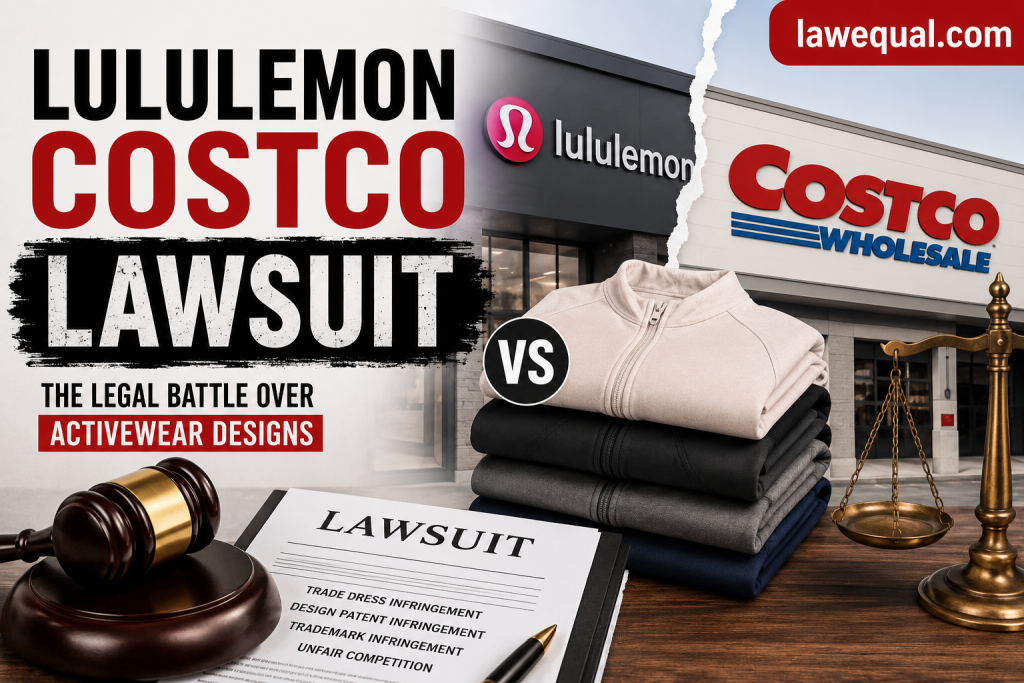
The Lululemon Costco Lawsuit centers on allegations that Costco sold clothing that looked very similar to several signature Lululemon products.
Lululemon claims these items copied distinctive features of its designs. According to the company, the similarities could confuse customers and reduce the value of its premium brand.
Unlike many lawsuits involving defective products or customer injuries, this case is about intellectual property. The focus is whether certain clothing designs deserve legal protection and whether another retailer can legally sell products with a similar appearance.
The lawsuit also includes several manufacturers that allegedly supplied the products sold through Costco.
The case has become important because affordable fashion “dupes” have become increasingly popular. Many shoppers buy lower-priced alternatives that resemble expensive brands, but companies argue there are legal limits to how similar those products can be.
Why Did Lululemon Sue Costco?
Lululemon says Costco and some of its suppliers sold products that copied recognizable features of Lululemon clothing.
According to the company, years of investment in product design, innovation, and branding created unique apparel that customers immediately recognize. Lululemon argues that competitors should not benefit from that reputation by selling similar-looking products.
The lawsuit also claims that consumers could mistakenly believe the products were made by Lululemon or approved by the company.
Lululemon wants the court to stop the sale of certain products and award financial damages if the court determines that intellectual property rights were violated.
Alleged Copycat or “Dupe” Products
The word “dupe” has become common on social media.
Influencers often compare expensive products with lower-cost alternatives that have a similar style or appearance.
Many shoppers actively search for affordable alternatives to premium athletic brands. Costco has earned attention for offering lower-priced clothing that resembles well-known brands.
Lululemon argues there is a difference between creating affordable alternatives and copying protected product designs.
The lawsuit asks the court to decide where that legal boundary exists.
Products Named in the Lawsuit
Several clothing items became central to the legal dispute.
These products attracted attention because many customers believed they closely resembled popular Lululemon apparel.
Although product availability changes over time, the lawsuit identifies multiple activewear categories.
Scuba Hoodies
Lululemon’s Scuba Hoodies are among its most recognized products.
The company claims certain hooded sweatshirts sold through Costco shared important design elements that customers associate with the Scuba collection.
These similarities reportedly included the overall appearance, fit, and styling details.
Define Jackets
The Define Jacket has remained one of Lululemon’s best-selling products for years.
According to court filings, some jackets available through Costco appeared visually similar to this premium athletic jacket.
Lululemon argues these similarities extend beyond general fashion trends.
Also Read: Costco Rotisserie Chicken Lawsuit
ABC Pants
ABC Pants are another product discussed in the lawsuit.
These pants are known for combining comfort with athletic performance and everyday wear.
Lululemon claims competing products copied recognizable design features that consumers identify with the ABC collection.
Other Activewear Products
The lawsuit is not limited to only hoodies, jackets, and pants.
Court documents also reference additional athletic apparel sold through Costco that allegedly resembles Lululemon products.
As the case progresses, the exact list of products may continue to change depending on court decisions and agreements between the parties.
Who Are the Parties Involved?
Several companies play important roles in this legal dispute.
The lawsuit is not simply between two retailers. It also involves manufacturers that allegedly produced some of the products.
Each party has different legal responsibilities, making the case more complex.
Lululemon Athletica
Lululemon Athletica is the company that filed the lawsuit.
Founded in Canada, Lululemon has grown into one of the world’s leading athletic apparel brands.
The company is known for premium yoga clothing, leggings, jackets, sportswear, and accessories.
Its products often sell at higher prices because of their quality, materials, design, and brand reputation.
Lululemon says it spends significant resources developing unique clothing styles that deserve legal protection.
Costco Wholesale Corporation
Costco Wholesale is one of the world’s largest warehouse retailers.
The company operates hundreds of warehouse clubs across several countries and sells products ranging from groceries to electronics and clothing.
Costco frequently offers affordable apparel through private labels and third-party suppliers.
Because of its competitive prices, many shoppers compare Costco clothing with premium retail brands.
Costco has denied that it violated Lululemon’s legal rights and continues to defend itself in court.
Third-Party Manufacturers and Suppliers
The lawsuit also names manufacturers that allegedly produced some of the disputed clothing.
These suppliers play an important role because they designed or manufactured products later sold through Costco.
Some suppliers have reached agreements with Lululemon, while others have continued defending the claims.
Their involvement makes the legal process more detailed because each company may have different responsibilities.
When Was the Lululemon Costco Lawsuit Filed?
The lawsuit became public in 2025 and quickly gained widespread attention.
Many news organizations covered the dispute because it involved two major retail companies with global customer bases.
Since then, the case has moved through several legal stages, including court filings, responses from defendants, and settlement discussions with some suppliers.
The lawsuit remains one of the most closely watched intellectual property disputes in the retail industry.
Timeline of Major Events
Understanding the timeline helps explain how the case has developed.
Below are the major milestones that have shaped the lawsuit so far.
June 2025: Lawsuit Filed
Lululemon officially filed the lawsuit in federal court during June 2025.
The complaint alleged that Costco and several manufacturers sold clothing products that copied protected Lululemon designs.
The company requested court orders to stop future sales and sought financial compensation for the alleged infringement.
The filing immediately attracted national attention because it involved two highly recognizable brands.
Early 2026: Partial Settlements
As the lawsuit continued, some of the companies involved reached agreements with Lululemon.
These settlements resolved certain claims without requiring a full trial.
However, not every defendant joined those agreements.
As a result, parts of the lawsuit continued moving through the court system.
Latest Court Developments in 2026
Throughout 2026, the case continued to develop with additional court filings and legal arguments.
The remaining parties continued presenting evidence and responding to the claims made in the lawsuit.
Legal experts believe the outcome could influence future disputes involving fashion brands, warehouse retailers, and affordable clothing alternatives.
Because the case is still developing, additional court decisions may further shape the legal issues involved.
What Legal Claims Did Lululemon Make?
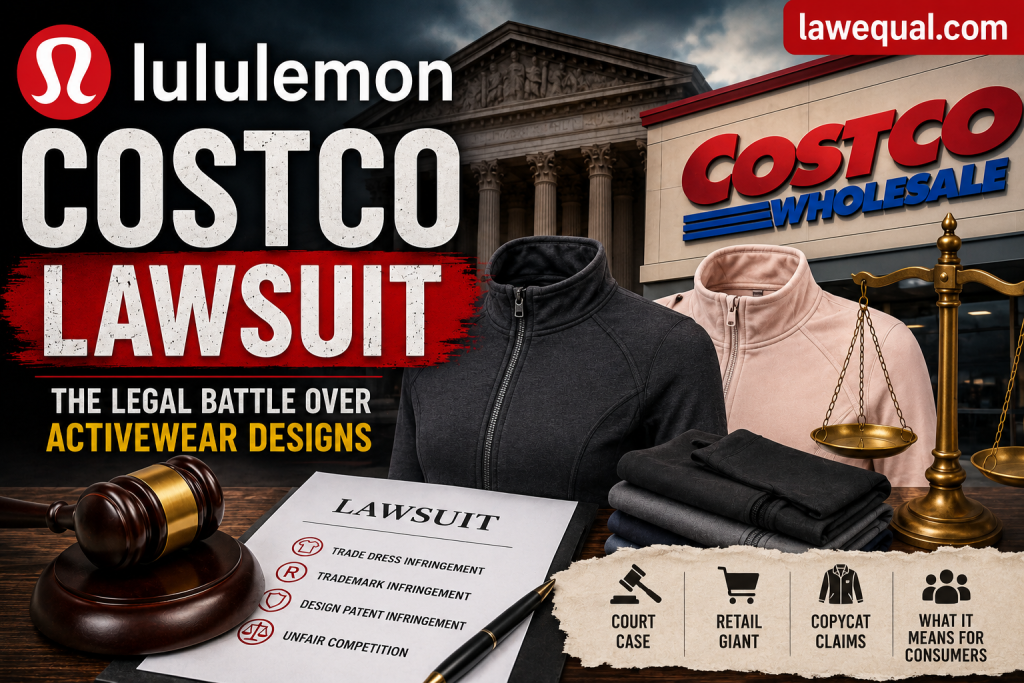
The Lululemon Costco Lawsuit is mainly based on intellectual property laws. Lululemon argues that some clothing sold through Costco copied unique features of its products without permission.
The company believes these similarities go beyond normal fashion trends. According to the lawsuit, the products may confuse shoppers and reduce the value of the Lululemon brand.
Lululemon also claims it has invested years in developing its clothing designs, testing materials, and building customer trust. The company says competitors should not benefit from those efforts by selling products that look almost the same.
Below are the major legal claims included in the lawsuit.
Trademark Infringement
Trademark infringement is one of the primary claims in the case.
A trademark protects names, logos, symbols, and other features that help customers identify a brand. If another company uses similar branding that creates confusion, it may violate trademark law.
Lululemon argues that some Costco products could make customers believe they were connected to Lululemon.
The company says shoppers may assume the clothing was officially licensed, approved, or produced by Lululemon because of the similar appearance.
If the court agrees, Costco or the suppliers could face legal responsibility for trademark infringement.
Trade Dress Infringement
Trade dress refers to the overall appearance of a product.
It can include the shape, design, color arrangement, stitching, layout, and other visual features that customers recognize.
Lululemon claims that several clothing items have a unique overall look that shoppers immediately associate with its brand.
According to the lawsuit, certain products sold through Costco copied that recognizable appearance too closely.
Trade dress cases are often more complex than trademark cases because courts must decide whether the overall design is legally distinctive.
Design Patent Infringement
The lawsuit also includes claims involving design patents.
A design patent protects the ornamental appearance of a product rather than how it works.
If a company owns a valid design patent, competitors generally cannot copy the protected design during the patent period.
Lululemon argues that some clothing sold through Costco copied protected design features covered by its intellectual property rights.
The court will determine whether those protections apply to the products identified in the lawsuit.
Unfair Competition Claims
Another important claim is unfair competition.
Lululemon argues that selling products that closely resemble its premium apparel gives competitors an unfair advantage.
The company believes shoppers may purchase lower-priced products believing they offer the same design or quality associated with Lululemon.
According to the lawsuit, this may weaken customer trust and reduce the value of the Lululemon brand.
If proven, unfair competition claims can result in financial damages or court orders preventing future sales.
Costco’s Response to the Lawsuit
Costco has denied the allegations made by Lululemon.
The retailer argues that it has not violated Lululemon’s legal rights and plans to defend itself during the court process.
Costco also points out that many clothing styles share common fashion trends.
The company believes similarities alone do not automatically mean intellectual property laws were broken.
As with most commercial lawsuits, both sides have presented legal arguments supporting their positions.
The court will decide which arguments are supported by the evidence.
Costco’s Position
Costco maintains that it operates as a retailer selling products from many different suppliers.
The company says it follows applicable business practices and does not intentionally copy another brand’s protected designs.
Costco also argues that many athletic clothing styles include common features found throughout the fashion industry.
Items such as zip-up jackets, hoodies, leggings, and athletic pants often share similar shapes because they serve similar purposes.
The retailer believes these similarities do not necessarily amount to intellectual property infringement.
Arguments Presented by Suppliers
Several manufacturers named in the lawsuit have also responded.
Some suppliers denied copying Lululemon products.
Others argued that the clothing contained enough differences to avoid violating intellectual property laws.
Certain companies chose another path by reaching settlement agreements instead of continuing the court battle.
These agreements resolved claims against those suppliers without a full trial.
However, the terms of many settlements remain confidential.
What Products Are Still Part of the Case?
The list of disputed products has changed as the lawsuit has progressed.
Some claims have ended because of settlement agreements between Lululemon and certain manufacturers.
Other claims remain active against parties that continue defending the lawsuit.
The remaining products generally involve athletic apparel that Lululemon believes copies recognizable design elements.
These include selected hoodies, jackets, athletic pants, and other activewear.
Because court cases continue to evolve, the exact list of disputed products may change before a final decision.
Future court rulings could remove additional products or add clarification about which designs remain part of the lawsuit.
Has the Lululemon Costco Lawsuit Been Settled?
This is one of the questions people search most often online.
The simple answer is that the lawsuit has not been completely settled.
Instead, some parts of the case have already been resolved, while other claims continue.
This is common in large commercial lawsuits involving several companies.
Individual defendants may settle at different times depending on their legal position.
Partial Settlements Reached
During the legal process, Lululemon reached agreements with some manufacturers involved in the case.
These settlements ended the lawsuit against those companies.
Settlement agreements often help businesses avoid lengthy court proceedings and additional legal expenses.
However, settling does not automatically mean a company admits wrongdoing.
Many businesses settle simply to reduce uncertainty and move forward.
Claims That Were Resolved
The settlement agreements resolved specific claims involving certain suppliers.
Once approved, those defendants were no longer active participants in that portion of the lawsuit.
This allowed the court to focus on the remaining disputes involving other parties.
Although some legal issues have been resolved, the overall case has not fully ended.
Several questions still require court decisions.
Remaining Issues Before the Court
The remaining claims continue through the normal legal process.
The court may review written evidence, witness testimony, product comparisons, and expert opinions before making final decisions.
Important questions still include:
- Did the products copy legally protected designs?
- Could customers reasonably confuse the products?
- Were any trademarks or trade dress rights violated?
- Should damages or permanent court orders be awarded?
These issues will likely determine how the lawsuit ultimately concludes.
Why This Lawsuit Matters Beyond Lululemon and Costco
Many people see this case as larger than a dispute between two companies.
Fashion brands invest heavily in product development, research, marketing, and customer recognition.
Retailers, meanwhile, compete by offering similar-looking products at lower prices.
The court’s decision may influence how companies balance innovation, competition, and consumer choice in the future.
The outcome could also affect how retailers evaluate products supplied by third-party manufacturers before placing them on store shelves.
For that reason, businesses across the fashion industry continue watching the case closely.
Has the Lululemon Costco Lawsuit Affected Consumers?
The Lululemon Costco Lawsuit mainly involves intellectual property rights between businesses. Unlike many class action cases, it does not focus on defective products, personal injuries, or customer financial losses.
As a result, most Costco shoppers have not been directly affected by the legal dispute.
However, many consumers still have questions about whether products will disappear from stores, whether refunds will be offered, or whether they qualify for compensation.
The answers depend on how the lawsuit develops in the future.
What Could the Outcome Mean for Consumers?
Although the lawsuit is between businesses, the final decision could influence shoppers in several ways.
Customers may notice changes in product availability, clothing designs, or retail pricing.
Luxury brands and discount retailers often compete for the same customers, making this case important for everyday buyers.
Below are the most common consumer concerns.
Will Costco Stop Selling Similar Products?
If the court rules in favor of Lululemon, Costco may need to stop selling certain products named in the lawsuit.
The retailer could also decide to redesign future products to avoid similar legal disputes.
Another possibility is that Costco may continue selling athletic apparel but work with suppliers to create more distinctive designs.
Even if some products disappear, Costco is expected to continue offering affordable activewear in other styles.
Will Customers Receive Any Compensation?
At this time, there is no customer compensation program related to the lawsuit.
This is not a consumer class action where buyers can file claims for payments.
Instead, the lawsuit focuses on whether intellectual property rights were violated.
Any financial damages awarded by the court would generally involve the businesses participating in the lawsuit rather than individual shoppers.
Consumers who purchased the products can usually continue using them as normal.
Are Any Product Recalls Expected?
Currently, no nationwide product recall has been announced because of the lawsuit.
The dispute is about clothing design rather than product safety.
Unlike recalls involving dangerous products, this case does not claim that the clothing creates health or safety risks.
If any products are removed from stores, it would likely result from business decisions or court orders rather than safety concerns.
Most customers will probably notice little change unless specific products are discontinued.
Impact on the Fashion and Retail Industry
The lawsuit has become one of the most closely watched retail legal disputes in recent years.
Fashion companies spend years developing recognizable products and building customer loyalty.
At the same time, discount retailers compete by selling affordable alternatives.
The court’s decision may influence how brands protect their designs and how retailers source future products.
Industry experts believe the outcome could shape future intellectual property disputes involving clothing and accessories.
The Growing Market for “Dupe” Products
Social media has made “dupe culture” more popular than ever.
Videos comparing expensive products with affordable alternatives receive millions of views every month.
Many shoppers actively search for clothing that looks similar to premium brands while costing much less.
Retailers have responded by offering products inspired by popular styles.
The lawsuit may help define how closely those products can resemble premium brands before legal issues arise.
Intellectual Property Protection in Fashion
Protecting fashion designs is often more difficult than protecting inventions or technology.
Many clothing styles share common features.
Courts must decide whether specific design elements are unique enough to receive legal protection.
Companies like Lululemon register trademarks, design patents, and other intellectual property rights to protect their products.
When businesses believe competitors copied those protected features, they may file lawsuits like this one.
The final decision could provide additional guidance for future fashion cases.
What Other Brands Can Learn
Large retailers and fashion companies are watching this lawsuit carefully.
Many businesses now review new products more closely before launching them.
Companies may also increase investment in original designs instead of relying on products that resemble successful competitors.
Manufacturers could face greater pressure to confirm that new clothing does not violate another company’s intellectual property rights.
Retailers may also strengthen supplier agreements to reduce future legal risks.
Lululemon Costco Lawsuit vs Other Retail Copycat Cases
The Lululemon Costco Lawsuit is not the first case involving claims that one retailer copied another brand’s products.
Many well-known companies have filed similar lawsuits over the years.
Luxury fashion brands have challenged competitors over handbags, shoes, athletic wear, and accessories.
Some cases ended with settlement agreements.
Others continued through lengthy court trials.
What makes the Lululemon case different is the growing popularity of social media “dupes.”
Millions of consumers intentionally search for affordable alternatives, making the legal questions more important than ever.
The outcome could influence future disputes involving clothing, footwear, beauty products, and home goods.
How Businesses May Respond After the Lawsuit
Regardless of the final ruling, many companies are already reviewing their business practices.
Retailers may become more careful when selecting products from suppliers.
Manufacturers could invest more money in original product development.
Fashion brands may file additional trademarks and design patents to strengthen legal protection.
Some businesses may also monitor social media trends more closely because popular “dupes” can quickly become legal concerns.
The lawsuit reminds companies that protecting intellectual property remains an important part of modern retail competition.
Why This Case Matters to Investors
Investors also continue following the lawsuit.
Although one lawsuit rarely determines the future of a large company, legal disputes can influence business decisions.
Court cases may increase legal expenses.
Companies sometimes adjust marketing plans, supplier relationships, or product launches while litigation continues.
Investors generally watch whether lawsuits create long-term financial risks or affect customer confidence.
Because both companies are major retailers, analysts continue monitoring developments closely.
What Consumers Should Watch Going Forward
Customers interested in the lawsuit should pay attention to future court decisions.
Several important developments may still occur.
These include:
- Additional settlements.
- Court rulings on the remaining legal claims.
- Possible changes to products sold in stores.
- New statements from the companies involved.
- Any appeals after future court decisions.
Following these updates will help shoppers understand whether the dispute changes product availability or retail practices.
Latest Lululemon Costco Lawsuit Updates (2026)
The Lululemon Costco Lawsuit continued to develop throughout 2026. While some suppliers resolved their disputes with Lululemon through confidential settlement agreements, the overall lawsuit has not completely ended.
The remaining claims continue through the federal court process. Both sides have submitted legal filings, evidence, and arguments supporting their positions.
Legal experts expect additional court decisions before the dispute reaches a final conclusion. Depending on future rulings, the case could end through another settlement or proceed toward trial.
Because the lawsuit is still active, new developments may occur over the coming months. Anyone interested in the case should follow future court updates for the latest information.
Why the Lululemon Costco Lawsuit Has Received So Much Attention
Several reasons explain why this lawsuit has attracted national and international attention.
First, both Lululemon and Costco are well-known brands with millions of loyal customers.
Second, the dispute involves products that many shoppers have purchased or discussed on social media.
Third, “dupe culture” has become increasingly popular. Many consumers intentionally search for affordable alternatives to expensive products.
Finally, the lawsuit could influence how courts handle future disputes involving fashion, retail, and intellectual property rights.
Because of these factors, the case has become one of the most closely watched retail lawsuits in recent years.
Frequently Asked Questions
Is the Lululemon Costco Lawsuit a Class Action?
No.
The lawsuit is a commercial intellectual property dispute between businesses.
It is not a consumer class action involving customer injuries or financial losses.
Individual Costco shoppers are not plaintiffs in the lawsuit.
Can Costco Customers File a Claim?
At present, customers cannot file a claim related to this lawsuit.
No consumer settlement fund has been announced.
Unless future court decisions change the situation, shoppers do not need to submit claim forms or register for compensation.
Which Costco Products Were Accused of Copying Lululemon?
The lawsuit identifies several athletic apparel products that allegedly resemble popular Lululemon designs.
These include selected hoodies, jackets, athletic pants, and other activewear.
The exact products involved depend on the court filings and may change as the case progresses.
Has Costco Admitted Any Wrongdoing?
No.
Costco has denied violating Lululemon’s intellectual property rights.
The company continues to defend itself against the remaining claims.
As with any ongoing lawsuit, the final outcome will depend on future court decisions or possible settlement agreements.
When Will the Remaining Court Proceedings End?
There is currently no confirmed end date.
Large commercial lawsuits often take months or even years to conclude.
Future developments may include additional hearings, settlements, or a trial if the parties cannot resolve the remaining issues.
Could More Companies Become Involved?
It is possible.
If additional evidence identifies other manufacturers or suppliers connected to the disputed products, legal proceedings could expand.
However, any new claims would depend on court procedures and available evidence.
Does This Lawsuit Affect Lululemon Stores?
No.
Lululemon stores continue operating normally.
The lawsuit does not affect the company’s regular business operations, customer loyalty programs, or product warranties.
Customers can continue shopping as usual.
Does the Lawsuit Affect Costco Memberships?
No.
The legal dispute has no impact on Costco memberships.
Warehouse operations, member benefits, and normal shopping services continue without changes because of the lawsuit.
What Makes This Lawsuit Different From Other Retail Cases?
Many retail lawsuits focus on product safety, pricing, or consumer protection.
The Lululemon Costco Lawsuit is different because it centers on intellectual property rights, trade dress, trademarks, and clothing design.
That makes it particularly important for fashion companies and retailers.
Will This Case Influence Future Fashion Lawsuits?
Many legal experts believe it could.
If the court provides detailed guidance on how clothing designs are protected, future fashion disputes may rely on this case.
Brands, manufacturers, and retailers will likely review the final decision carefully.
Final Thoughts
The Lululemon Costco Lawsuit highlights the growing tension between premium fashion brands and retailers offering lower-priced alternatives. As “dupe” products continue gaining popularity, courts must decide where healthy competition ends and intellectual property infringement begins.
Although some suppliers have reached settlement agreements, the overall lawsuit remains unresolved. The remaining claims will continue through the legal process until the court issues further decisions or the parties reach additional settlements.
For shoppers, the lawsuit does not currently create recalls, refunds, or customer compensation. Instead, it focuses on business rights, product design, trademarks, and trade dress protection.
The final outcome could shape how retailers develop future products, how manufacturers approach clothing design, and how fashion brands protect their intellectual property. As new court updates become available, the Lululemon Costco Lawsuit will likely remain one of the most closely followed retail legal cases in the fashion industry.