HexClad Lawsuit: Class Action Claims, PFAS Allegations & Settlement News
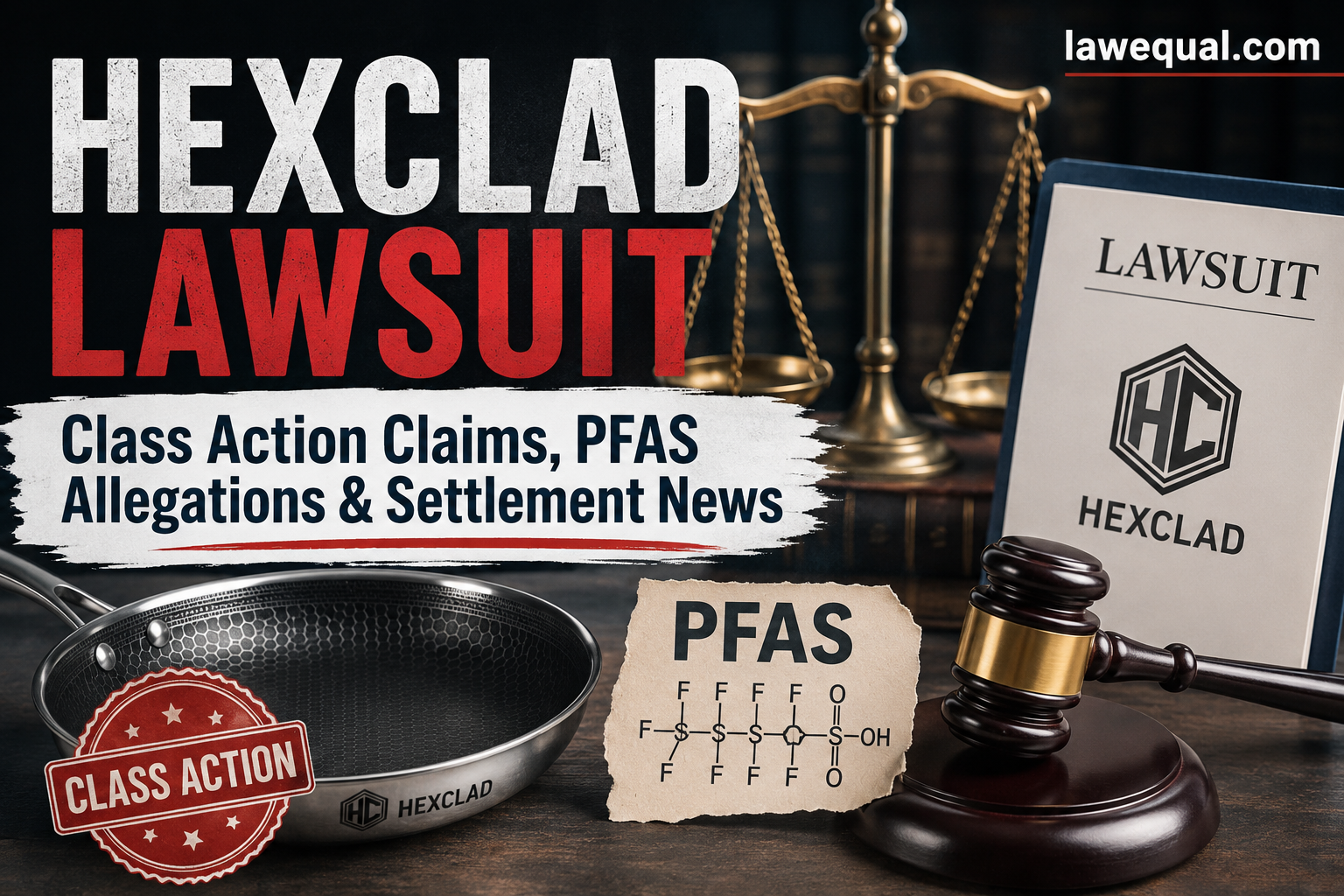
The HexClad Lawsuit refers to a class action lawsuit filed against HexClad cookware over claims that some of the company’s advertising may have misled consumers. The lawsuit focuses on marketing statements about the cookware’s nonstick performance, durability, and chemical-related claims.
The case does not claim that every HexClad product is defective. Instead, the lawsuit argues that certain advertising statements influenced consumers’ purchasing decisions.
Many buyers said they paid premium prices because they believed the cookware offered benefits that were different from traditional nonstick pans. The lawsuit questions whether some of those claims accurately reflected the products.
The case attracted national attention because HexClad has become a well-known cookware brand promoted through television commercials, online advertising, and celebrity endorsements.
As the lawsuit developed, both sides negotiated a proposed class action settlement rather than continuing through a lengthy trial.
Why Was the HexClad Lawsuit Filed?
The HexClad Lawsuit was filed after consumers alleged that the company’s advertising created expectations that were not fully supported.
The lawsuit mainly centres on marketing practices instead of claims that the cookware automatically causes injuries or illnesses.
According to the allegations, customers believed they were purchasing cookware advertised as safer and more advanced than many competing products.
Some consumers argued they would not have purchased the cookware—or would have paid less—if they had known more about the materials used in the nonstick coating.
The lawsuit also discusses statements related to:
- Nonstick performance
- Product durability
- Hybrid cookware technology
- Chemical-related advertising
- PFAS and PFOA marketing claims
- Product value compared with competitors
These allegations became the foundation of the class action case.
Who Filed the HexClad Class Action Lawsuit?
The class action lawsuit was filed by consumers who purchased eligible HexClad cookware and believed they were affected by the company’s advertising practices.
Instead of each customer filing an individual lawsuit, the legal action combined similar claims into one class action.
Class actions allow people with similar complaints to seek a common legal resolution. This approach can save time and reduce legal costs for everyone involved.
The plaintiffs argued that they relied on HexClad’s advertising when deciding to purchase the cookware.
The company, however, has denied wrongdoing while choosing to resolve the dispute through a settlement.
It is important to understand that agreeing to a settlement does not necessarily mean a company admits liability.
HexClad Lawsuit Timeline
Understanding the timeline helps explain how the case developed from consumer complaints to a proposed settlement.
Early Consumer Complaints
Some consumers began raising concerns after purchasing HexClad cookware.
Their concerns mainly focused on whether certain advertising statements matched their expectations after using the products.
Online discussions, customer reviews, and consumer complaints gradually increased.
Although customer complaints alone do not create a lawsuit, they often become part of broader legal investigations.
Investigation and Legal Review
After complaints became more widespread, attorneys reviewed the advertising materials and consumer experiences.
Law firms examined whether marketing statements complied with consumer protection laws.
Legal investigations considered product descriptions, promotional materials, and public advertising campaigns.
This review eventually resulted in a proposed class action lawsuit.
Filing of the Class Action
The lawsuit was officially filed in federal court on behalf of eligible consumers.
The complaint alleged that certain marketing statements could mislead reasonable buyers.
Rather than focusing on personal injury claims, the lawsuit primarily addressed consumer purchasing decisions and advertising practices.
This distinction is important because advertising-related lawsuits differ from product liability lawsuits.
Settlement Discussions
After legal proceedings continued, both parties entered settlement negotiations.
Settlements are common in consumer class actions because they reduce the time, cost, and uncertainty associated with trials.
Negotiations focused on providing benefits to eligible consumers while avoiding prolonged litigation.
A proposed settlement was eventually reached and presented to the court for review.
Latest Court Updates
The case has continued through the legal approval process required for class action settlements.
During this stage, the court reviews whether the settlement is fair, reasonable, and adequate for class members.
Consumers are typically given opportunities to:
- Submit claims
- Exclude themselves from the settlement
- Object to the settlement if they disagree
- Review important deadlines
Court approval remains one of the final steps before settlement benefits can be distributed to eligible claimants.
Why Has the HexClad Lawsuit Received So Much Attention?
Several factors have made the HexClad Lawsuit one of the most talked-about cookware class actions.
First, HexClad is a premium cookware brand with customers across the United States.
Second, the cookware has been promoted through major advertising campaigns and celebrity partnerships, making the brand highly recognizable.
Third, growing consumer awareness about PFAS, nonstick cookware, and chemical-related marketing has increased public interest in cases involving cookware manufacturers.
Finally, many consumers are interested in understanding whether they qualify for settlement benefits and what the lawsuit means for future cookware advertising.
Key Issues Raised in the HexClad Lawsuit
Although the lawsuit covers several legal arguments, the primary issues include:
- Advertising claims about cookware performance
- Marketing statements related to nonstick technology
- Consumer protection laws
- Product value and pricing
- PFAS-related marketing language
- Class action settlement eligibility
- Consumer rights and advertising transparency
What Are the Allegations Against HexClad?
A major focus of the HexClad Lawsuit is whether certain advertising statements gave consumers an inaccurate impression about the cookware. The plaintiffs argue that some marketing claims influenced people to buy HexClad products at premium prices.
The lawsuit does not claim that every HexClad pan is unsafe or defective. Instead, it questions whether some advertising messages were misleading under consumer protection laws.
The legal complaint centres on how the cookware was promoted rather than on widespread reports of physical injuries.
Several key allegations form the basis of the case.
False Advertising Claims
One of the primary issues in the HexClad Lawsuit involves false advertising allegations.
According to the plaintiffs, HexClad promoted its cookware using statements that may have led consumers to believe the products offered unique benefits beyond what was supported.
The lawsuit argues that many buyers relied on these marketing claims when deciding to purchase the cookware.
Consumers said the cookware’s premium price was justified because of advertising that highlighted durability, performance, and advanced technology.
The plaintiffs claim that if customers had known the complete facts, some would have chosen another cookware brand or paid less.
Advertising-related class actions often focus on whether a reasonable consumer could have been misled by marketing statements.
PFAS and PFOA Marketing Claims
Another important part of the HexClad Lawsuit concerns advertising related to PFAS and PFOA.
PFAS is a group of manufactured chemicals that has received increased attention in recent years because some forms can remain in the environment for long periods.
PFOA is one specific chemical that has largely been phased out in modern cookware manufacturing.
The lawsuit questions whether consumers clearly understood the materials used in HexClad cookware after reading promotional statements.
Some plaintiffs argue that advertising gave buyers the impression that the cookware was free from chemicals associated with traditional nonstick products.
Also Read: Temu Class Action Lawsuit
The legal dispute focuses on marketing language rather than claiming that all HexClad cookware contains banned chemicals.
“Non-Toxic” Cookware Allegations
The HexClad Lawsuit also discusses statements suggesting the cookware was safer than many competing products.
Consumers increasingly search for cookware labelled as:
- Non-toxic
- PFAS-free
- PFOA-free
- Chemical-free
- Safe for everyday cooking
Because of this growing interest, marketing language has become an important issue in cookware advertising.
The plaintiffs argue that certain promotional statements may have created expectations that were broader than what consumers actually received.
Whether those statements violated consumer protection laws is one of the questions addressed in the legal proceedings.
Premium Pricing Claims
Another allegation is that consumers paid higher prices because of the company’s advertising.
HexClad cookware is generally sold as a premium kitchen product.
The plaintiffs argue that buyers were willing to spend more because they believed the cookware provided unique advantages compared with traditional nonstick pans.
If advertising influences purchasing decisions, courts may examine whether those claims were accurate and adequately supported.
This issue is common in consumer class action lawsuits involving premium household products.
What Is PFAS and Why Does It Matter?
To understand the HexClad Lawsuit, it helps to know what PFAS means.
PFAS stands for Per- and Polyfluoroalkyl Substances. These are a large family of synthetic chemicals used in many industries.
They have been used in products such as:
- Nonstick cookware
- Waterproof clothing
- Food packaging
- Firefighting foam
- Industrial manufacturing
PFAS are sometimes called “forever chemicals” because some types break down very slowly in the environment.
It is important to remember that PFAS refers to thousands of different chemicals, not a single substance.
Why Consumers Care About PFAS
Public awareness of PFAS has increased significantly over the past decade.
Many consumers now look for cookware advertised as free from certain chemicals.
As a result, companies often include chemical-related claims in their marketing.
When those claims become part of purchasing decisions, they may also become part of consumer lawsuits if buyers believe the advertising was misleading.
This explains why PFAS-related language became a major topic in the HexClad Lawsuit.
Does the Lawsuit Say HexClad Cookware Is Unsafe?
This is one of the most common questions consumers ask.
The lawsuit does not state that every HexClad product is unsafe to use.
Instead, the legal dispute focuses on advertising and consumer expectations.
The case examines whether certain promotional statements accurately represented the cookware.
Safety questions and advertising questions are different legal issues.
The settlement itself was designed to resolve disputed marketing claims rather than determine that the cookware was dangerous.
HexClad’s Response to the Lawsuit
HexClad has denied the allegations made in the lawsuit.
The company has stated that it believes its advertising and marketing practices complied with applicable laws.
Like many companies involved in consumer class actions, HexClad chose to negotiate a settlement instead of continuing lengthy litigation.
Settlements often help companies avoid years of legal expenses while giving consumers a way to resolve disputed claims.
Importantly, agreeing to a settlement does not automatically mean the company admitted wrongdoing.
This point is typically included in class action settlement agreements.
Why Companies Settle Class Action Lawsuits
Many consumers wonder why companies settle if they believe they did nothing wrong.
There are several reasons.
A trial can take years to complete and may involve significant legal costs.
A settlement provides more certainty for both parties and reduces the risk of unpredictable court decisions.
It also allows eligible consumers to receive benefits sooner than they might after a lengthy trial.
For these reasons, settlements are common in consumer protection cases.
HexClad Lawsuit Settlement Explained
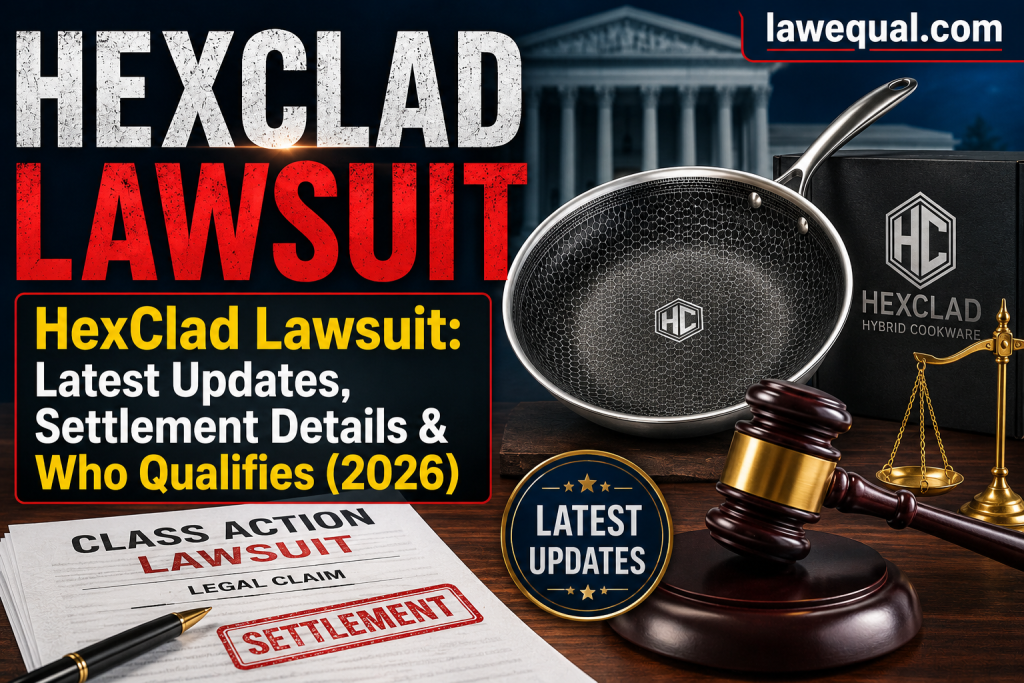
One of the biggest topics in the HexClad Lawsuit is the proposed class action settlement.
The settlement was created to resolve the legal dispute without a final trial.
Rather than asking a judge or jury to decide the outcome, both sides agreed to settlement terms that were submitted to the court for approval.
If approved, eligible class members may receive settlement benefits after meeting the required conditions.
What the Settlement Covers
The settlement generally addresses claims related to advertising and marketing.
It is intended to resolve allegations connected to certain promotional statements made about HexClad cookware.
Consumers who qualify may be able to receive benefits depending on the settlement terms and claim requirements.
The exact amount or type of compensation may vary based on eligibility and the final approved settlement structure.
Did HexClad Admit Any Wrongdoing?
No.
One of the most important facts about the HexClad Lawsuit is that the settlement does not mean HexClad admitted liability or wrongdoing.
Settlement agreements commonly include language stating that the company denies the allegations while agreeing to resolve the dispute.
This allows both sides to avoid continued litigation without requiring a court to decide whether the allegations were true.
Because of this, the settlement should not be interpreted as a finding that the company violated the law.
Why the Settlement Matters
The proposed settlement is important for several reasons.
It provides a possible path for eligible consumers to receive compensation.
It also highlights the importance of clear advertising in the cookware industry.
Companies across many industries closely watch consumer class actions because they can influence future marketing practices.
As consumers become more informed about product claims, businesses may place greater emphasis on ensuring that advertising is clear, accurate, and easy to understand.
Who Is Eligible for the HexClad Settlement?
One of the most common questions about the HexClad Lawsuit is who may qualify for settlement benefits.
Eligibility depends on the final settlement terms approved by the court. In general, class action settlements define a “Settlement Class” based on factors such as when the cookware was purchased, where it was purchased, and which products were included.
Consumers who meet the eligibility requirements may be able to submit a valid claim for compensation.
Not every HexClad customer will automatically qualify. Buyers should carefully review the settlement criteria before submitting a claim.
If a consumer falls outside the defined settlement class, they may not be eligible for benefits under the agreement.
Common Eligibility Requirements
Although every class action settlement is different, eligible consumers are generally expected to meet conditions such as:
- Purchasing eligible HexClad cookware during the covered period.
- Buying from an authorised retailer or the official website.
- Meeting the settlement’s residency requirements, if applicable.
- Filing a valid claim before the deadline.
The final eligibility rules are determined by the settlement agreement and court approval.
Does Proof of Purchase Matter?
Many consumers ask whether they need a receipt.
In some class action settlements, proof of purchase allows claimants to receive a higher reimbursement.
If a receipt is unavailable, some settlements still permit claims with certain limits or alternative verification.
The exact documentation requirements depend on the approved settlement terms.
Keeping receipts, order confirmations, or purchase emails can make the claims process easier.
Which HexClad Products Are Included?
The HexClad Lawsuit applies only to products covered by the settlement agreement.
Eligible products are usually identified by the court-approved settlement documents.
These may include cookware purchased directly from HexClad or authorised retailers during the specified time period.
Depending on the settlement, covered products may include:
- Frying pans
- Skillets
- Saucepans
- Stock pots
- Cookware sets
- Hybrid cookware collections
Consumers should verify that their specific product appears within the settlement definition before filing a claim.
Are All HexClad Products Included?
Not necessarily.
Some products may fall outside the covered purchase dates or settlement class.
Limited-edition products or purchases made outside the eligible period may not qualify.
Always compare your purchase details with the settlement requirements before submitting your claim.
How Much Could Consumers Receive?
Another major topic in the HexClad Lawsuit is the potential settlement payment.
The amount each claimant receives depends on several factors.
These often include:
- The number of valid claims submitted.
- Whether proof of purchase is provided.
- The number of qualifying products purchased.
- The final settlement fund approved by the court.
- Administrative costs and legal fees.
Because payments depend on the total number of approved claims, there is usually no guaranteed amount for every claimant.
How Settlement Payments Are Calculated
Class action settlements normally divide the available settlement fund among eligible claimants.
If more consumers submit valid claims than expected, the individual payment amount may be reduced.
If fewer claims are filed, eligible consumers could receive a larger payment.
This process helps distribute settlement funds fairly among class members.
Payment Methods
If the settlement receives final approval, payments may be issued through methods such as:
- Cheque
- Electronic payment
- Direct deposit
- Digital payment services, where available
The available payment options are listed in the official settlement instructions.
Consumers should ensure that their contact information remains current throughout the claims process.
How to File a HexClad Settlement Claim
The HexClad Lawsuit settlement includes a claims process for eligible consumers.
Submitting a claim is generally straightforward if you have the required information.
Following each step carefully can help prevent delays.
Step 1: Confirm Eligibility
Before filing a claim, verify that:
- Your cookware is covered.
- Your purchase date falls within the eligible period.
- You meet the settlement requirements.
Submitting a claim without meeting these conditions may result in rejection.
Step 2: Gather Your Documents
Depending on the settlement requirements, you may need:
- Purchase receipt.
- Order confirmation email.
- Invoice.
- Retail purchase record.
- Product information.
Having these documents ready can make the process much faster.
Step 3: Complete the Claim Form
Consumers usually complete a settlement claim form by providing:
- Full name.
- Contact information.
- Purchase details.
- Product information.
- Supporting documentation, if required.
It is important to review all information before submitting the form.
Incorrect information could delay claim processing.
Step 4: Submit Before the Deadline
Missing the filing deadline may prevent you from receiving compensation.
Always submit your claim well before the closing date.
Waiting until the last day increases the chance of technical problems or incomplete submissions.
Required Documents
The documents needed may vary depending on the settlement.
Common examples include:
- Purchase receipt.
- Email confirmation.
- Retail invoice.
- Product serial information, if requested.
- Proof of payment.
Some settlements also allow claims without receipts, although reimbursement may differ.
Consumers should review the official settlement instructions for the exact documentation requirements.
Claim Submission Process
The HexClad Lawsuit claim process generally follows these steps:
- Review settlement eligibility.
- Gather supporting documents.
- Complete the claim form.
- Upload required documentation.
- Submit the claim.
- Receive confirmation.
- Wait while claims are reviewed.
- Receive payment if the claim is approved.
Settlement administrators review every submitted claim before issuing benefits.
This process may take several months, depending on the number of claims received.
Important Settlement Deadlines
Deadlines are one of the most important parts of any class action settlement.
Consumers should pay close attention to all important dates.
These often include:
- Claim submission deadline.
- Deadline to exclude yourself.
- Deadline to object to the settlement.
- Final approval hearing date.
- Estimated payment distribution date.
Missing any of these deadlines may affect your legal rights.
What Happens During the Final Approval Hearing?
Before settlement payments are issued, the court usually conducts a final approval hearing.
During this hearing, the judge considers whether the settlement is:
- Fair.
- Reasonable.
- Adequate for class members.
The court also reviews objections filed by consumers and may approve, modify, or reject the settlement.
Only after final approval can the settlement move toward payment distribution, subject to any appeals.
How Long Does It Take to Receive Payment?
Settlement payments are rarely issued immediately after a claim is submitted.
Several steps must occur first, including:
- Final court approval.
- Review of all submitted claims.
- Resolution of any appeals.
- Verification of claimant information.
- Processing and distribution of payments.
Because of these legal requirements, payments may take several months after the settlement becomes final.
Consumers should remain patient and monitor updates from the settlement administrator.
Common Mistakes to Avoid
When filing a claim related to the HexClad Lawsuit, avoid these common errors:
- Missing the filing deadline.
- Entering incorrect contact information.
- Forgetting to upload required documents.
- Filing duplicate claims.
- Using outdated purchase information.
- Ignoring emails from the settlement administrator.
Taking a few extra minutes to review your submission can help avoid unnecessary delay.
Why Following the Instructions Matters
Class action settlements follow strict legal procedures.
Even eligible consumers can lose compensation if they fail to complete the process correctly.
Reading the settlement instructions carefully and submitting accurate information gives you the best chance of receiving any available benefits.
Has the Settlement Received Final Approval?
A common question surrounding the HexClad Lawsuit is whether the settlement has received final court approval.
In a class action lawsuit, a proposed settlement must be reviewed by the court before it becomes legally effective. The judge considers whether the agreement is fair, reasonable, and in the best interests of the settlement class.
If final approval is granted and any appeals are resolved, eligible consumers who submitted valid claims can receive settlement benefits according to the approved terms.
Consumers should remember that court schedules can change. If an appeal is filed, payment distribution may be delayed until the appeal process ends.
Can You Still Join the HexClad Lawsuit?
Whether you can still participate in the HexClad Lawsuit depends on the current stage of the settlement.
If the claim filing deadline has not passed and you meet the eligibility requirements, you may still be able to submit a claim.
However, once the deadline expires, new claims are generally not accepted unless the court orders otherwise.
If you purchased eligible HexClad cookware, it is always a good idea to check the latest settlement information before assuming you are no longer eligible.
What Happens If You Miss the Deadline?
Missing the claim deadline can affect your ability to receive compensation.
In most class action settlements, consumers who fail to submit a valid claim before the deadline will not receive settlement benefits.
Similarly, if you wanted to exclude yourself from the settlement or file an objection, those actions also had to be completed before the applicable deadlines.
Because courts rarely extend settlement deadlines, consumers should act promptly whenever they believe they may qualify.
How the HexClad Lawsuit Could Affect Future Cookware Advertising
The HexClad Lawsuit may have a broader impact beyond this single case.
Consumer class actions often encourage companies to review how they advertise their products.
Manufacturers may become more careful when using terms such as:
- Non-toxic
- Chemical-free
- PFAS-free
- PFOA-free
- Safe cookware
- Premium nonstick technology
Clearer advertising helps consumers make informed purchasing decisions.
As buyers become more aware of product claims, companies are expected to provide accurate and transparent information.
What the HexClad Lawsuit Means for Consumers
The lawsuit also highlights the importance of reading product descriptions carefully.
Consumers should not rely solely on advertising slogans when purchasing cookware.
Instead, they should compare:
- Product materials
- Manufacturer specifications
- Warranty information
- Independent reviews
- Care instructions
- Safety guidance
Taking a few extra minutes to research a product can help buyers make better purchasing decisions.
Consumer Tips Before Buying Nonstick Cookware
Whether or not you purchase HexClad cookware, these tips can help you choose quality nonstick cookware.
Understand the Coating
Different cookware brands use different coating technologies.
Read the product description carefully to understand what materials are used and how the cookware should be maintained.
Follow the Care Instructions
Even premium cookware performs best when used correctly.
Following the manufacturer’s instructions can help extend the life of the cooking surface.
Avoid overheating cookware or using metal utensils if the manufacturer advises against it.
Compare Different Brands
Do not purchase cookware based only on advertising.
Compare features such as:
- Heat distribution
- Oven safety
- Dishwasher compatibility
- Warranty
- Cooking performance
- Customer reviews
Researching multiple brands helps you make an informed decision.
Keep Your Purchase Records
Always save your:
- Receipt
- Order confirmation
- Warranty documents
- Email confirmation
These documents can be useful if a warranty issue or future class action settlement arises.
Frequently Asked Questions
Is the HexClad Lawsuit real?
Yes. The HexClad Lawsuit is a real class action case involving allegations related to certain advertising and marketing claims about HexClad cookware.
Does the lawsuit claim HexClad cookware is unsafe?
No. The lawsuit primarily concerns advertising practices and consumer protection claims. It does not determine that all HexClad cookware is unsafe.
Who qualifies for the HexClad settlement?
Eligibility depends on the settlement agreement. Generally, consumers who purchased eligible HexClad cookware during the covered period and meet the settlement requirements may qualify.
Do I need proof of purchase?
Requirements vary by the settlement terms.
Proof of purchase may help verify your claim and could affect the amount of compensation available.
How much money could I receive?
Settlement payments depend on factors such as:
- The final settlement terms
- The number of approved claims
- Whether proof of purchase is provided
- Court approval
Because every class action is different, there is no guaranteed payment amount for every claimant.
When will settlement payments be sent?
Payments are generally issued only after:
- Final court approval
- Resolution of any appeals
- Claim verification
- Settlement administration
This process can take several months.
Can I still buy HexClad cookware?
Yes. HexClad cookware continues to be sold through authorised retailers and the company’s official sales channels.
Consumers should review current product information and decide based on their own research and preferences.
Why did HexClad agree to settle?
Companies often settle class action lawsuits to avoid lengthy litigation, reduce legal costs, and resolve disputed claims. A settlement does not necessarily mean the company admitted wrongdoing.
What should consumers learn from this case?
The HexClad Lawsuit reminds consumers to:
- Read product descriptions carefully.
- Keep purchase receipts.
- Review warranty information.
- Stay informed about consumer rights.
- Follow official settlement announcements if they may qualify.
Final Thoughts
The HexClad Lawsuit has drawn significant attention because it raises important questions about cookware advertising, consumer expectations, and marketing transparency. While the case focuses on advertising-related allegations rather than findings that the cookware is unsafe, it highlights how consumer protection laws apply to product marketing.
For eligible customers, the settlement provides an opportunity to seek compensation if they meet the approved requirements and submit a valid claim on time. At the same time, the lawsuit encourages manufacturers to communicate product features clearly and accurately.
Whether you already own HexClad cookware or are considering a purchase, staying informed about the HexClad Lawsuit, understanding the settlement process, and researching cookware before buying can help you make confident decisions. As new court developments become available, consumers should continue to follow official updates so they have the latest information regarding eligibility, settlement payments, and important deadlines.